Oma Embroidery Design Review
First Impressions: A Whimsical Touch for Personalized Projects
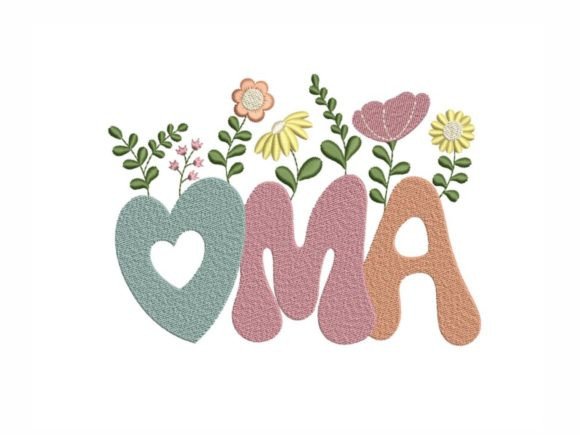
When I first laid eyes on the Oma embroidery design, it immediately struck me as a piece that would bring charm and warmth to any fabric. The soft curves and delicate detailing suggest a gentle, whimsical mood—perfect for adding a personal touch to handmade items. This machine embroidery design feels like a quiet celebration of everyday moments, making it ideal for Mother's Day gifts or any project that needs a dash of tenderness.
The layout is well-balanced with a central motif surrounded by subtle embellishments. It doesn't scream for attention but instead invites a closer look. The level of detail is just right—not too intricate that it becomes overwhelming, yet enough to add character to the finished product. I can see this design working beautifully on home decor pieces like pillow covers or tea towels, where a little bit of visual interest goes a long way.
Real-Life Application: Custom Tote Bag Project
Let’s imagine a real-life scenario: creating a custom embroidered tote bag for a small shop. Oma would be an excellent choice for this project. Its soft aesthetic complements natural fabrics like linen or cotton canvas without overpowering them. When stitched on a tote bag, it adds a personalized flair that customers would appreciate, especially around Mother's Day or other special occasions.
I envision placing Oma in the center of the bag, perhaps with a few coordinating stitches around the edges to frame the design. The stitch density seems manageable, which is great for ensuring even coverage without distorting the fabric. However, I would recommend testing it on scrap fabric first to confirm how the design interacts with different thread colors and stabilizers.
This design also has potential for use on sweatshirts, baby clothes, or aprons—any item where a subtle, heartfelt message is more impactful than something bold and flashy. It could easily become a signature element in a line of handmade products, helping to build brand consistency and customer recognition.
Performance Considerations: Where to Use with Caution
While Oma looks fantastic on larger, flat surfaces, there are a few situations where it might require extra care. For instance, using it on small hoop sizes could compromise the detail, so I'd advise checking the recommended hoop size before starting. Similarly, when stitching on textured fabrics or stretchy materials, proper stabilizer use becomes essential to maintain the integrity of the design.
Dark fabric backgrounds may also pose a challenge. Testing the design in black and white mockups beforehand will help determine if the contrast between the embroidery and the fabric is sufficient. If not, adjusting the thread color or considering alternative placements might be necessary.
Additionally, since Oma features some fine details, it may not be the best fit for projects that require frequent washing. In such cases, reinforcing the area with a stabilizer or choosing a more durable fabric could help preserve the design over time.
Visual Appeal and Practical Value
One of the strengths of Oma is its ability to enhance the visual appeal of a finished product without being overly complicated. Whether used on a custom apparel piece or a holiday gift, it adds a sense of thoughtfulness that elevates the overall presentation. For Etsy sellers or craft business owners, this kind of design can make all the difference in attracting buyers looking for unique, handmade items.
From a professional standpoint, the clarity of the stitching is crucial. Oma appears to be well-suited for satin stitch and fill stitch techniques, allowing for smooth transitions and a polished finish. This makes it particularly useful for commercial embroidery projects where quality and consistency are key.
For hobbyists or creative entrepreneurs, Oma offers a versatile option that can be adapted across various projects. It’s a great addition to a collection of design assets, especially those focused on personalization and gift-giving. Just remember to review the stitch density and ensure that the design works well with your chosen fabric and thread colors.
Embroidery Designer Notes: Tips for Success
Before committing to a final project, take the time to test the Oma embroidery file on scrap fabric. This allows you to check for any potential issues with stitch density or alignment. Also, consider reviewing the design in black and white mockups to assess how it will look on different fabric backgrounds.
Don’t forget to inspect small details closely, especially if you plan to use the design on items like caps or patches. Ensuring that the design fits well within the available space and maintains its visual impact is important for both personal and commercial projects.
Lastly, always confirm licensing terms before selling finished items or digital products. Understanding what you're allowed to do with the design will save you from any legal complications down the road.
Overall, Oma is a delightful addition to any embroidery designer’s toolkit. Its versatility, charm, and practicality make it a valuable asset for anyone looking to create beautiful, meaningful handmade products.