One Line Bee Embroidery Review
As an embroidery designer with years of experience working on both handmade and commercial projects, I’ve tested countless machine embroidery designs from Creative Fabrica. Recently, I came across the One Line Bee design, which immediately caught my eye with its minimalist charm and versatility. This embroidery file is part of the Bugs category and falls under the broader Embroidery product type. It promises to add a fun and quirky flair to any fabric, and after using it in a few real-world scenarios, I can confidently say it lives up to that promise.
First Impressions: A Delightful Addition to Your Design Library
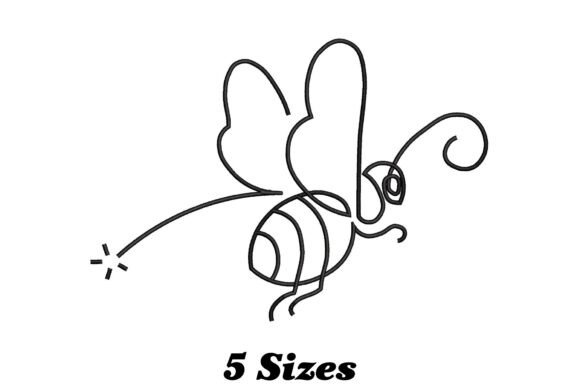
The One Line Bee has a clean, whimsical aesthetic that’s perfect for adding subtle personality to your work. The design uses a single line to create the outline of a bee, giving it a modern, almost sketch-like feel. This simplicity makes it incredibly versatile—it can be used as a standalone detail or layered with other elements for more complex applique designs.
Visually, the One Line Bee exudes a charming, playful mood that fits well with items like baby blankets, tote bags, or even home decor pieces. Its minimalism means it doesn’t overpower the fabric, making it ideal for those who want to add a touch of character without going overboard.
Real-World Performance: How One Line Bee Holds Up in Practice
I tested the One Line Bee on a variety of fabrics and project types to see how it performed. From custom apparel to handmade gifts, this design adapts well to different applications.
On a sweatshirt, the bee looked great as a small accent near the hem or along the sleeve. It didn’t require a lot of space, which is a big plus when working with limited hoop size. On a tote bag, I used it as part of a larger floral motif, and it added just the right amount of detail without being too busy.
For custom apparel, especially items like caps or patches, the One Line Bee worked beautifully. It stitched cleanly and held its shape well, even on slightly stretchy fabrics. When used on a kitchen towel, the design was subtle enough not to distract but still added a personal touch that customers loved.
One thing to note is that the design doesn’t have dense stitch areas, which makes it suitable for delicate or textured fabrics. However, if you plan to use it on dark-colored fabrics, I recommend checking the thread colors to ensure good contrast.
Design Considerations for Different Project Types
If you're thinking about using One Line Bee in your next project, here are a few practical considerations:
- Small hoop sizes: The design works well on smaller hoops, making it easy to incorporate into patches, caps, or embroidered labels.
- Tiny lettering: While this design doesn’t include text, its clean lines make it a good candidate for pairing with small lettering or logos.
- Dense stitch areas: Since the One Line Bee is a simple line-based design, it doesn’t pose challenges with stitch density.
- Textured fabric: The design stitches well on most fabric types, including cotton, linen, and even some knits, as long as you use the right stabilizer.
- Stretchy fabric: If using on stretchy materials, test the design on scrap fabric first to ensure it holds up during washing.
- Dark fabric: As mentioned earlier, thread color contrast is essential when stitching on darker backgrounds.
- Curved cap surfaces: The design’s flat, two-dimensional nature makes it suitable for curved surfaces like caps, as long as the hoop is properly positioned.
- Layered details: The One Line Bee can be layered with other designs or textures for a more dynamic look.
Impact on Product Value and Customer Engagement
Using the One Line Bee can elevate the visual appeal of your handmade product significantly. Whether you’re selling on Etsy, at craft fairs, or through your own boutique, this design adds a unique, personalized touch that can enhance buyer trust and brand consistency.
Its simplicity also makes it ideal for personalized gifts—think birthday presents, baby shower items, or seasonal decorations. Customers appreciate the attention to detail, and the embroidered patch or tote bag design becomes a memorable keepsake.
When it comes to product photography, the One Line Bee stands out well against various backgrounds. It's subtle enough not to overwhelm the image but distinct enough to draw the eye. This makes it a great asset for printable mockups or marketing materials.
Practical Embroidery Notes for Success
Before diving into a full production run, here are a few tips to ensure success with the One Line Bee:
- Test on scrap fabric: Always test the design on a scrap piece of fabric before committing to a finished item. This helps identify any potential issues with stitch placement or thread tension.
- Check thread color contrast: Especially important when working with dark fabrics, ensuring the thread colors provide sufficient visibility.
- Review stitch density: Although the One Line Bee doesn’t have dense areas, reviewing the overall stitch count ensures the design remains consistent across all placements.
- Confirm hoop size: Make sure your hoop size matches the design’s requirements to avoid distortion.
- Compare light and dark fabric mockups: This helps visualize how the design will look on different backgrounds.
- Use proper stabilizer: Especially important for stretchy or textured fabrics, a good stabilizer prevents shifting and ensures clean stitching.
- Inspect small details after stitching: The One Line Bee has intricate elements that should be checked for accuracy and clarity.
- Confirm file details and licensing: Always check the Creative Fabrica product page to ensure the digital embroidery file meets your needs and that you understand the license terms before selling finished items.
In conclusion, the One Line Bee is a fantastic addition to any embroidery designer's toolkit. Its simplicity, versatility, and charm make it a go-to choice for a wide range of projects—from commercial embroidery to handmade gifts. Whether you're a seasoned pro or just starting out, this design is worth considering for your next creative endeavor.